Dearest Friends,
Thank you for your presences and your participation at our most recent gathering.
At the end of last week’s session, one of the members of our sangha asked this: “How do we bear the relentless ecological losses of our times? Even when we cultivate awe, gratitude and joy, how do we keep our hearts from being crushed by the weight of it all?”
I suspect the question resonates with many of us. After all, we’re living through a period of accelerating ecological decline with forests burning, glaciers crumbling, oceans warming, islands sinking and species vanishing. Understandably, many of us feel overwhelmed by the magnitude of the loss.
But what may be adding to the crushing weight is the fact that we’re bearing it alone.
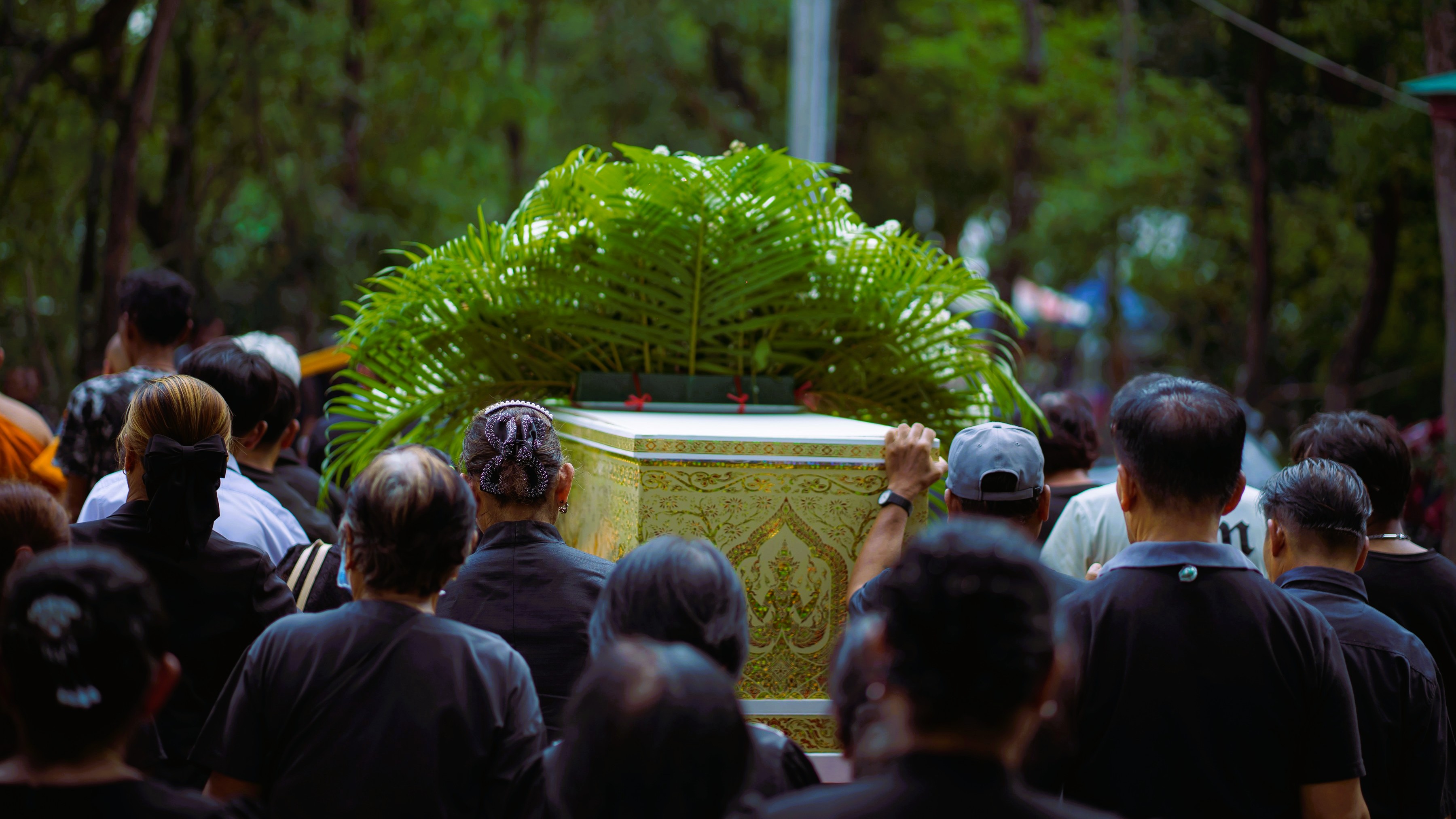
After all, for much of human history, grief wasn’t a privately held phenomenon. People mourned with/in families, communities, villages and kinship networks, bearing collective witness to loss through ceremony, narrative, ritual and song. Several reflections emerge from this understanding:
- Human beings have historically metabolized grief collectively. Ceremonies, rites and rituals help communities absorb losses that would otherwise overwhelm individuals.
- Modern individualism has altered our relationship with grief. In many contemporary societies, sorrow is often treated as something to process privately, leaving many people isolated at the time when they need connection the most.
- Ecological grief is larger than any one person can hold. We’re grieving not just personal losses, but planetary ones: disappearing species, damaged ecosystems and compromised futures. These are collective losses that call for collective responses.
- Shared grief creates belonging. When we speak honestly about our love for the Earth and our sorrow for what is being lost, we often discover that others carry similar hopes, sorrows and fears.
- The dharma reminds us of the importance of sangha. While insight may arise within an individual heart, the path is strengthened through spiritual friendship and community.
Hence, one of the most healing responses to ecological devastation is learning to carry it not by ourselves—but with each other.
SUGGESTED PRACTICE:
Sit quietly and take a few moments to attend to your breath. When you’re ready, bring to mind an ecological loss or change that weighs heavily on your heart. It can be a precious landscape, a beloved season or a cherished hope for your grandchildren. Simply allow your pain, your anger, your sadness and your fear to be present.
Now, expand your awareness to include the countless beings around the world who carry grief just like yours. Imagine yourself shedding tears with these beings and holding hands with them. Imagine the weight of the grief that everyone bears being distributed amongst all these tender and loving hearts. Notice how your experience of the grief shifts when you imagine it being held by this vast web of love.
To end the practice, remain with the breath for a few moments…then gently return your awareness to the present.
REFLECTION PROMPTS:
- When you experience ecological grief, do you tend to carry it privately or share it with others? What influences that choice?
- Can you recall a time when community helped you navigate a significant loss? What made that experience supportive?
- What kinds of rituals, conversations or communal practices might help you hold ecological grief with others rather than alone?

Leave a Reply