Dearest Friends,
Thank you for your presences and your participation in our most recent gathering.
In our last session, we moved to the final exercises listed under the Satipaṭṭhāna Sutta’s section on mindfulness of the body, which involve contemplating the body in the following stages of decomposition and decay (sīvathika‑manasikāra):
- a corpse one day dead, swollen and discolored;
- a corpse being eaten by crows, vultures or dogs;
- a skeleton with flesh and blood, held together by sinews;
- a skeleton stripped of flesh, smeared with blood;
- a skeleton without flesh or blood, held together by sinews;
- disconnected bones scattered in different directions;
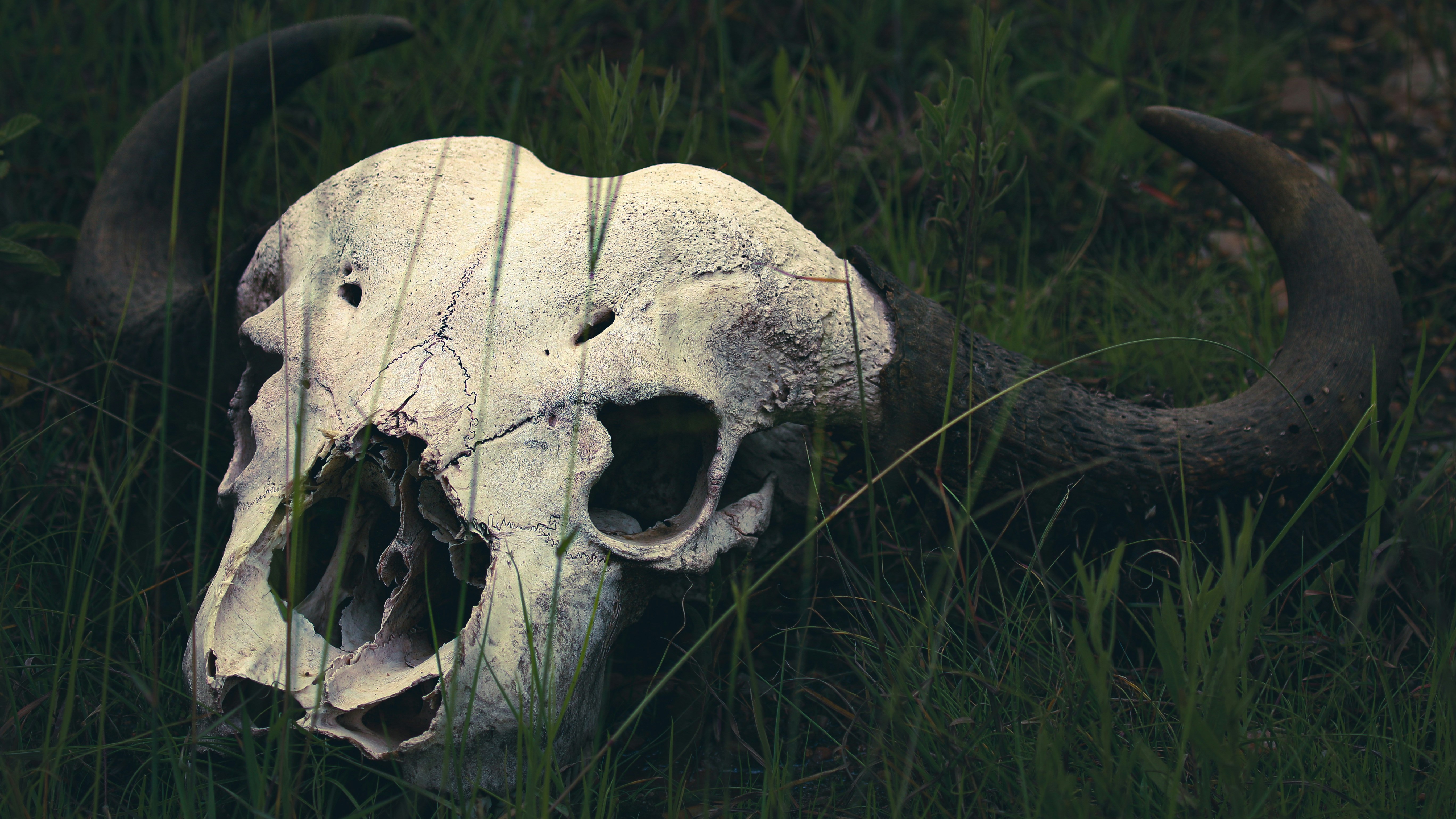
- bones bleached white like shells;
- bones more than a year old, piled up; and
- bones reduced to dust.
Like some of its predecessors, the aim of this meditation isn’t to foster a sense of revulsion, repugnance or aversion towards the body, but to simply loosen our conditioned attachment to it. By looking directly at the body’s fate after death, we’re reminded of the truth that ALL bodies—regardless of how carefully tended—will disintegrate one day. By confronting this reality directly, we soften clinging, craving and grasping…and deepen wisdom, acceptance and compassion.
SUGGESTED PRACTICE:
Sit quietly and attend to your breath with your gaze lowered or your eyes closed. Whenever you’re ready, gently and silently say to yourself: “This body will grow old, become frail and eventually die.”
Then without feeling like you have to go into graphic detail, imagine your body returning to the earth. Imagine it lying still…then gradually disintegrating and dissolving.
Notice how this reflection shifts your attachment to your body. Allow compassion to arise for all beings whose bodies share this destiny.
Conclude the meditation by resting in the present moment, grateful for all the blessings that your fragile, composite and impermanent body has given you in this life so far.
RECOMMENDED POEM:
Jane Hirshfield’s Poem with Two Endings
REFLECTION PROMPTS:
- How does contemplating the body’s decomposition shift your sense of identity and attachment?
- Did this practice evoke fear or did it open space for acceptance, compassion and equanimity?
- How might remembering the body’s impermanence influence the way you live each day?

Leave a Reply