Dearest Friends,
Thank you for your presences and your participation in our most recent gathering—and welcome once again to our newest member!
In last week’s session, we began our exploration of ecological grief and named aspects of it that tend to exacerbate its distress, i.e., how it’s a kind of grief that’s often disenfranchised, chronic, ambiguous and anticipatory.
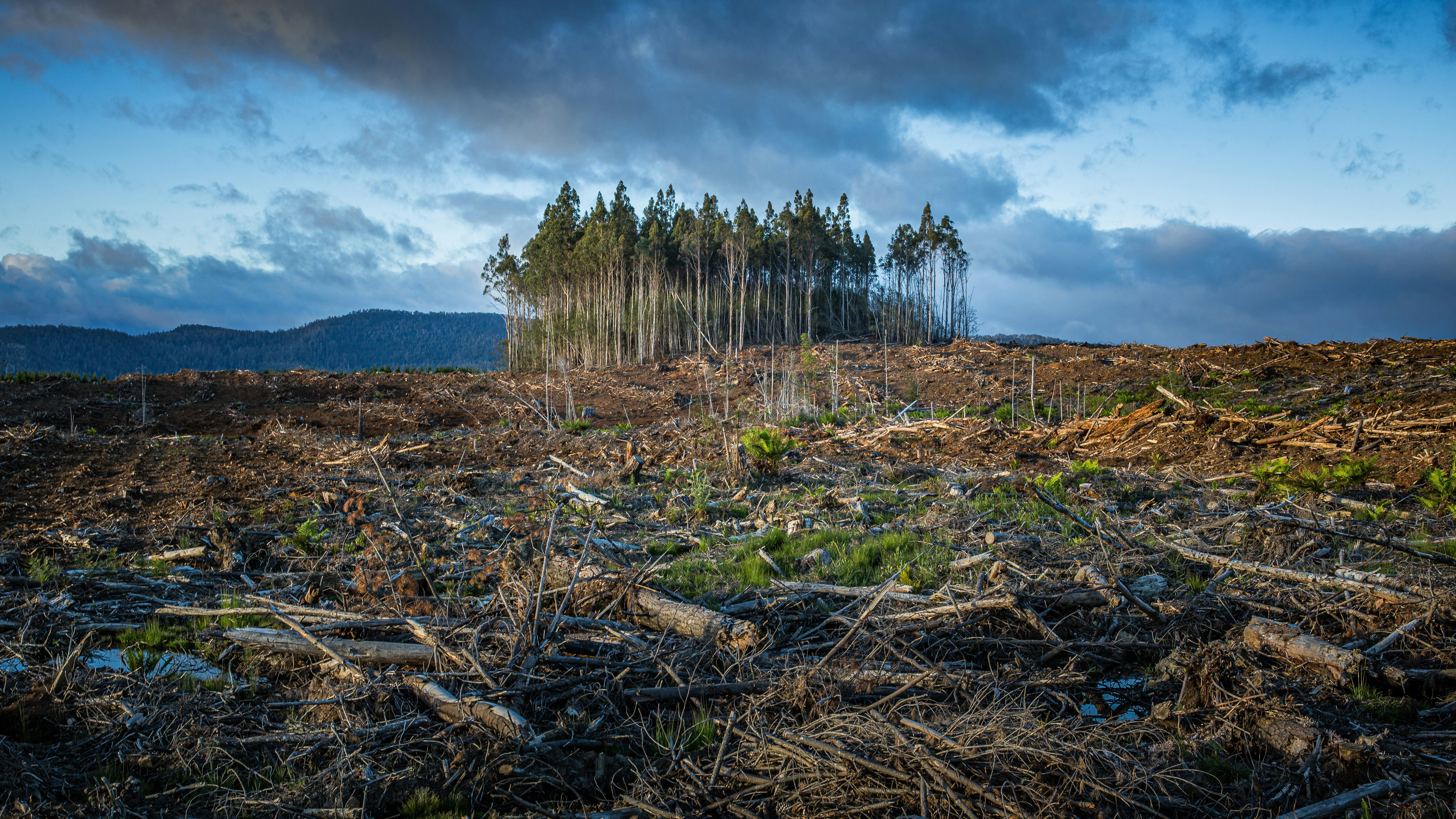
In this week’s session, we shifted our attention to explore the kinds of losses that give rise to ecological grief. In the reflections that I offered, I drew on the work of pioneering ecological grief researchers Dr. Ashlee Cunsolo and Dr. Neville Ellis to offer the following definition of ecological loss:
Ecological loss refers to the tangible loss of a place, a species or both that is usually accompanied by less tangible losses of cultures, knowledges, futures, identities, lifeways, livelihoods and practices that are rooted in the characteristics, features, patterns and rhythms of the place and/or the species that was lost.
One thing I’d like to highlight in this definition is how ecological losses involve a primary loss that’s accompanied by an entire network of secondary losses. A lament from an Inuit elder that’s become the defining expression of ecological grief in the Arctic captures this encompassing nature of ecological loss poignantly: “Inuit are people of the sea ice. If there is no more sea ice, how can we be people of the sea ice?”
Naming the constellation of losses that gives rise to our experience of ecological grief is important for the following reasons:
- acknowledging our losses makes them real, validates our grief and gives us permission to mourn;
- articulating our losses allows our grief to be expressed, witnessed and supported in community;
- honoring our losses reinforces our deep bonds with nature and helps us weave our grief into our personal and collective meaning-making; and
- recognizing what’s been lost clarifies what’s at stake and helps us transform our sorrow into a commitment to preserve and protect what yet remains.
In short, naming our ecological losses is the first step towards answering the American poet Stanley’s Kunitz’s anguished lament: “How shall the heart be reconciled to its feast of losses?” The reconciliation begins by recognizing how devastating grief is the other side of abiding love.
SUGGESTED PRACTICE:
Sit quietly and attend to your breath. As you inhale, silently and gently say the word “open.” As you exhale, silently and gently say the word “soften.” Invite openness on the inhale; invite softness on the exhale. Practice like this for a few minutes. Before you end, remind yourself that your body knows how to open and how to soften. Take this remembrance with you into your day.
RECOMMENDED POEM:
Rosemerry Wahtola Trommer’s Inviting Spaciousness
REFLECTION PROMPTS:
- Name at least one ecological loss that you’re grieving. Is this a lost species or a lost place?
- What secondary losses accompany this primary loss?
- Have you had the opportunity to grieve this constellation of losses (to some degree)? If yes, how has this unfolded for you? If no, how do you feel called to undertake this sacred task?

Leave a Reply