Dearest Friends,
It was delightful to be in your company again in our last gathering—and to see the return of familiar faces!
In last week’s conversation, we explored how mindfulness practices can help us train our ability to “zoom in” on different aspects of our unfolding experience so that we can see these aspects in greater detail and refine our actions accordingly. In this week’s conversation, we shifted our attention to how heightened awareness can help us notice and work with the “filters” that can alter our perception of our experience in unhelpful ways.
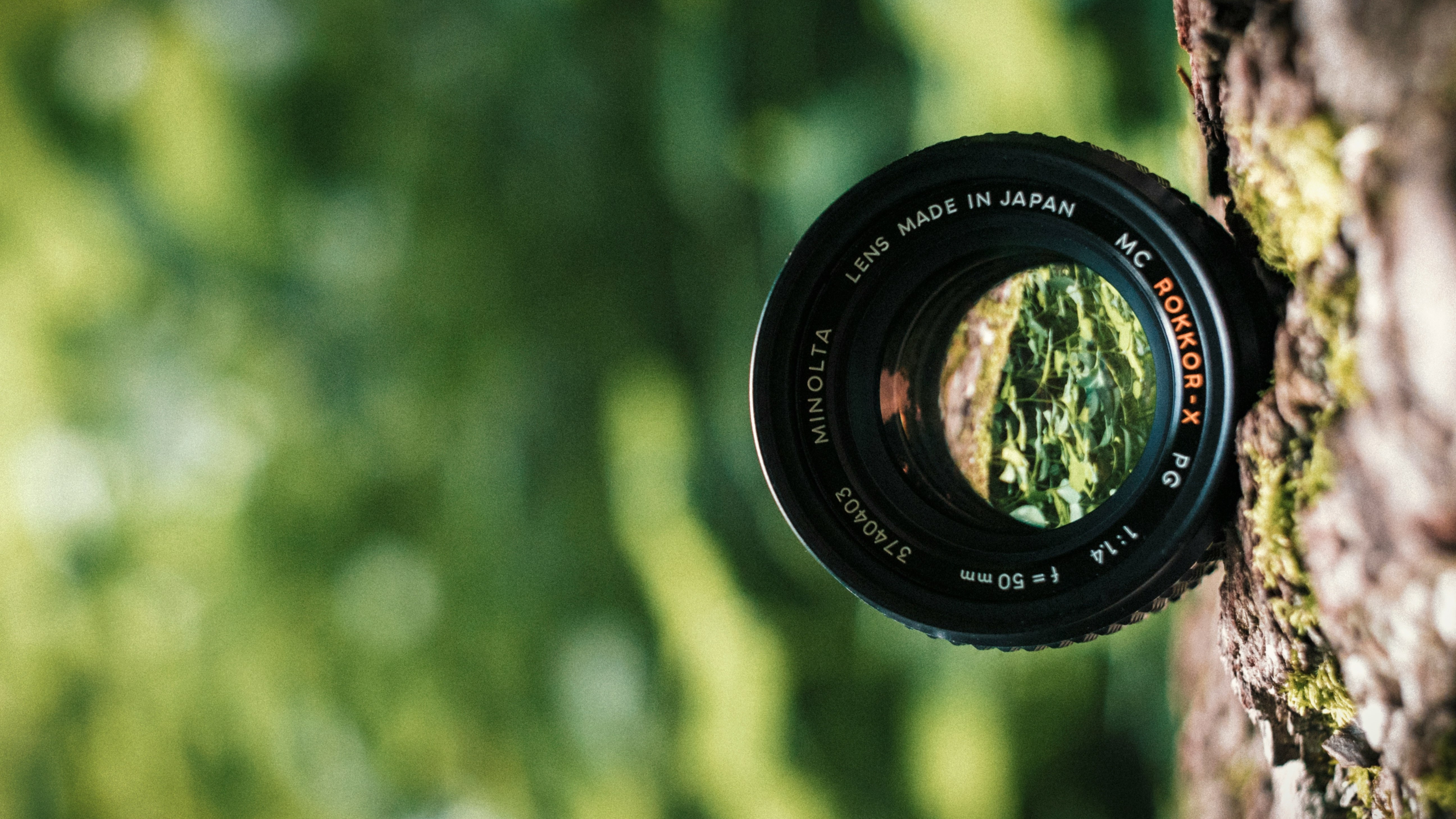
Just like zooming in, the idea of the filter here is taken from the field of photography. Photographers can place a wide variety of filters over the lenses of their cameras to enhance the quality of the image they’re taking or to achieve creative effects. For example, there are glare reduction filters, color enhancement filters, contrast increasing filters and so on and so forth. While the photography object or scene itself hasn’t changed, the filter will alter the image that’s produced.
Our perceptions of reality are produced in a similar way. Buddhism has long taught that we don’t see things as they truly are, but through layers of conditioning. Neuroscience has only validated this ancient insight by telling us that perception is not a raw recording of reality but a construction that’s shaped by attention, emotion, language, memory and prediction. These filters are often useful (i.e., they help us navigate our world fairly efficiently), but they can also distort reality in ways that lead to suffering. What ultimately matters is training our ability to notice when our filters are operating—and to discern whether they’re operating in ways that don’t contribute to our happiness, freedom and well-being.
PRACTICAL EXAMPLE:
Imagine you’re walking into a work meeting late after navigating through a horrendous traffic jam. Because you’re already irritated, you’ve got an “angry filter” on without your realizing it. A colleague greets you neutrally, but your angry filter makes the greeting feel curt or downright unfriendly. You then respond coldly and the interaction becomes tense. The reality was that your colleague gave you a neutral greeting—but the filter of anger turned the encounter into a belligerent one.
SUGGESTED PRACTICE:
Sit quietly and attend to your breath. After a minute or so, recall a recent or a memorable situation in which you saw things from a filter—and the filter led to an unskillful action. Notice what it felt like in your body when the filter was in place. Notice what emotions and feelings accompanied the filter. Name what consequences followed from having that filter in place at the time. In hindsight, what was “actually” happening in that situation? What did your filter add? What can you do differently if the situation were to happen again in the future?
REFLECTION PROMPTS:
- What “filters” (e.g., stress, stories, expectations, beliefs, anxiety, etc.) most often distort how you perceive situations in daily life?
- How has reacting through these filters increased your suffering and those of others around you?
- What practical step can you take this week to pause and check: “Am I seeing the thing ‘itself’ or through a filter?”

Leave a Reply